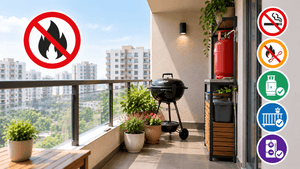
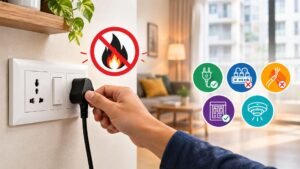
Cooking is a daily part of apartment living, but it is also one of the biggest causes of residential fires worldwide.
According to NFPA, if we look at the data, almost 72% of fires arise in the apartment due to the kitchen fires.
Many apartment renters assume kitchen fires only happen because of major accidents, but in reality, even small mistakes like leaving food unattended or overheating cooking oil can turn dangerous within seconds.
Unlike independent houses, apartment kitchens are more compact and connected closely to neighbouring units.
Because of this, a single kitchen fire can spread rapidly through walls, ventilation systems, and put multiple families at risk.
The good news is that most kitchen fires are completely preventable. By following smart cooking habits and understanding basic fire prevention techniques, apartment renters can significantly reduce fire risks and create a safer living environment.
In this guide, you will learn practical kitchen fire safety tips for apartment renters, common cooking hazards, emergency response strategies, and essential fire prevention habits that every tenant should know.
Why Kitchen Fire Safety Matters in Apartments?
Apartment kitchens present fire risks because of limited space. One of the reasons is shared building structures, and high appliance usage.
Due to which, even a small grease fire can quickly fill an apartment with smoke and trigger building-wide emergencies.
Cooking-related fires commonly start because of:
- Unattended stovetops
- Grease buildup
- Overheated oil
- Faulty electrical appliances
- Clutter near burners
- Distractions while cooking
Many renters underestimate how fast kitchen fires spread. A pan left unattended for just a few minutes can ignite nearby cabinets, curtains.
That is why fire prevention should become part of your daily cooking routine.
How To Prevent Kitchen Fire Accidents in Apartment?
So, we know the reason behind kitchen fires in an apartment and why it is required to prevent it. Now let’s understand how to prevent kitchen fires in an apartment. Here are some kitchen fire safety tips that you must follow at your apartment.
Never Leave Cooking Unattended:
I know it might sound a little silly, but you should always stay in the kitchen while cooking. Here is the reason why:
According to the latest data from the National Fire Protection Association, About 18,000 home cooking fires every year are directly linked to an “unattended or unsupervised person.
Not only this, NFPA also stated that unattended cooking is also responsible for
- roughly one-third of non-confined cooking fires, and
- nearly half of all cooking-fire death
- The food is frying on high flame.
- Oil is heating accessibly.
- Grilling indoors is running without monitoring.
- Using high heat or broiling food in the oven.
- Besides this it has been studied that mostly people get distracted through the phone while cooking.
That’s why you need to ensure that you are not repeating the same mistake during the cooking season in your kitchen.
Keep Flammable Items Away from the Stove
As we earlier discussed, apartment kitchens often have limited counter space, which leads many renters to store items too close to burners. This creates a major fire hazard.
To avoid this hazard, you need to keep these things away from stoves.
- Paper towels
- Grocery bags
- Dishcloths
- Wooden utensils
- Curtains
- Plastic containers
Even small sparks or grease splatter can ignite nearby materials quickly. A clutter-free kitchen is much safer and easier to manage during emergencies.
Clean Grease Buildup Regularly
Grease accumulation is one of the biggest hidden fire hazards in apartment kitchens.
Grease can build up on:
- Stovetops
- Range hoods
- Ovens
- Microwave interiors
- Kitchen walls
When exposed to high temperatures, grease ignites rapidly and spreads flames quickly.
So, you should always clean the grease area regularly. While cleaning it, you can use these smart practices.
- Wiping stovetops daily with water or soap.
- Cleaning range filters monthly
- Removing oil residue immediately
- Deep cleaning ovens regularly
Regular kitchen maintenance improves both fire safety and indoor air quality.
Know How to Handle a Grease Fire
Grease fires are extremely dangerous because they spread aggressively when handled incorrectly. Water causes burning oil to splash violently, making flames spread instantly.
- Turn off the heat source
- Cover the pan with a metal lid
- Use baking soda if flames are small
- Use a Class ABC fire extinguisher if needed
If the fire continues growing, evacuate immediately and call emergency services. Understanding how to react quickly can prevent a small fire from becoming a building-wide disaster.
Install and Test Smoke Alarms
Every apartment renter should ensure smoke alarms work properly, especially near kitchen areas.
Smoke detectors provide early warning and valuable escape time during emergencies.
Fire alarm safety tips:
- Test alarms monthly
- Replace batteries twice yearly
- Never disable smoke detectors
- Report faulty alarms to management immediately
Some renters remove batteries after false alarms caused by cooking smoke. This creates a serious safety risk. Instead, improve kitchen ventilation while cooking.
Use Kitchen Appliances Safely
Modern apartment kitchens rely heavily on electrical appliances. However, faulty or poorly maintained appliances increase fire risks significantly.
Common appliance fire hazards:
- Damaged toaster cords
- Overheated microwaves
- Faulty air fryers
- Overloaded outlets
- Cheap extension cords
Safe appliance practices:
- Unplug unused appliances
- Avoid overloading sockets
- Replace damaged cords immediately
- Keep appliances clean and ventilated
If an appliance smells burnt or sparks during use, stop using it immediately.
Avoid Wearing Loose Clothing While Cooking
Loose sleeves and oversized clothing can accidentally catch fire while cooking.
This is especially dangerous when you are frying food or cooking on high flame. To prevent this danger, you need to adapt Safer cooking habits like:
- Wearing fitted clothing
- Rolling up sleeves
- Keeping long hair tied back
Simple precautions can prevent severe burn injuries.
Keep a Fire Extinguisher in the Kitchen
Every apartment renter should have a fire extinguisher easily accessible in the kitchen.
A compact Class ABC extinguisher works well for most residential cooking fires. While keeping the fire extinguisher, you need to make sure about the following things.
- Store it near the kitchen exit
- Learn how to use it before emergencies
- Check expiration dates regularly
- Never place it directly beside the stove
Now I will always suggest you to use it in the early stage of fire. If the fire becomes too large, evacuate immediately instead of trying to fight it.
Improve Kitchen Ventilation
Many people don’t focus on ventilation in the kitchen. This poor ventilation increases smoke buildup and overheating risks inside apartment kitchens. Which may turn into a big fire later. To reduce this fire risk, you need to follow these practices:
- Reduce grease accumulation
- Minimize smoke
- Improve air quality
- Prevent overheating
- Use exhaust fans while cooking
- Open nearby windows
- Clean ventilation filters regularly
Good airflow makes cooking safer and more comfortable.
Keep Children and Pets Away While Cooking
Children and pets can accidentally knock over hot pans, pull cords, or distract cooks during meal preparation. To prevent them from this disaster, you should follow these things.
- Turn pot handles inward
- Keep hot food away from edges
- Avoid holding children while cooking
- Create a “safe zone” away from stoves
Kitchen safety becomes even more important in smaller apartments with limited movement space.
Don’t Cook While Distracted or Tired
Late-night cooking, alcohol use, or phone distractions increase fire risks dramatically.
Many apartment kitchen fires happen because renters fall asleep while cooking or scroll on phones. Besides this, there could be other reasons like-
- Watch TV in another room
- Cook while intoxicated
So, you need to avoid these kinds of distractions while cooking and also stay focused while cooking by:
- Avoiding multitasking
- Using cooking timers
- Staying alert near heat sources
Safe cooking requires attention from start to finish.
Create an Emergency Escape Plan
Even with strong prevention measures, every renter should prepare for emergencies.
Your apartment fire escape plan should include:
- Primary exit routes
- Secondary exits
- Emergency contact numbers
- Family meeting points
If smoke blocks hallways, stay low to the ground.
Conclusion-
Kitchen fire safety is one of the most important responsibilities every apartment renter should take seriously. A few smart habits can dramatically reduce the risk of fires, smoke damage, injuries, and costly property loss.
Simple actions like staying attentive while cooking, cleaning grease regularly, testing smoke alarms, and keeping fire extinguishers nearby make a huge difference in apartment safety.
The best part is that fire prevention does not require expensive equipment or complicated systems. Consistency, awareness, and preparation are usually enough to keep your kitchen safer every day.
If you rent an apartment, now is the perfect time to inspect your kitchen, improve your cooking habits, and create a safer environment for yourself, your family, and your neighbors.