When it comes to fire safety in an apartment building, it is not the responsibility of one person. Both landlords and renters play an important role in stopping fire accidents.
If anyone ignores their responsibilities, the risk of apartment fires increases significantly.
Many renters think that fire safety will be handled by the property owner. At the same time, some landlords believe tenants are fully responsible for fire accidents inside their units.
However, if we talk about reality, apartment fire safety works best when both parties cooperate with proper safety practices.
This guide explains how landlords and renters share fire safety responsibilities and why teamwork is essential in every apartment building.
Why Shared Fire Safety Responsibility Matters?
Apartment buildings are more vulnerable to fire spread than standalone homes because multiple families share.
A small fire inside one apartment can quickly affect neighbouring units within minutes. That is why fire safety is a shared responsibility rather than an individual task.
When landlords maintain building safety systems and renters follow smart fire prevention habits, the entire property becomes safer.
5 Important Fire Safety Responsibilities of Landlords:
Installing and Maintaining Smoke Alarms
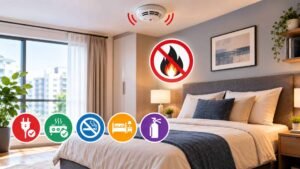
One of the biggest responsibilities of landlords is ensuring that smoke alarms are properly installed and working correctly. Smoke detectors provide early warning during emergencies, especially when residents are sleeping.
Landlords should regularly inspect smoke alarms, replace old devices, and ensure every apartment follows local fire safety regulations.
If smoke detectors stop working, the issue should be fixed immediately because even a few minutes of delay during a fire can become life-threatening.
Maintaining Safe Electrical Systems
Faulty electrical wiring is one of the leading causes of apartment fires. Landlords should regularly inspect wiring systems, circuit breakers, electrical panels, and shared electrical areas.
Old apartment buildings may have outdated electrical systems that cannot safely handle modern appliances and electronics. If tenants report sparks or flickering lights, landlords should arrange repairs quickly to prevent electrical fires.
Proper electrical maintenance protects both the property and the residents.
Keeping Emergency Exits Clear
Emergency exits and staircases must always remain accessible. During a fire emergency, blocked hallways or locked exits can create panic and increase injuries. Landlords should regularly check:
- Stairwells
- Hallways
- Exit doors
- Emergency lighting
Clear evacuation routes help residents leave the building safely during emergencies.
Maintaining Fire Protection Equipment
Many apartment buildings contain important fire safety systems such as:
- Fire extinguishers
- Sprinkler systems
- Fire alarms
- Emergency communication systems
Landlords must inspect and maintain these systems regularly. Fire protection equipment only works properly when it receives proper servicing and maintenance. Ignoring maintenance can lead to system failure during real emergencies.
Educating Tenants About Fire Safety Rules
Landlords should clearly explain apartment fire safety rules to tenants. Many apartment fires happen because residents are unaware of building policies. Important rules may include:
- Smoking restrictions
- Grill usage rules
- Candle safety
- Space heater regulations
Clear communication helps tenants understand how to keep the apartment community safe.
5 Important Fire Safety Responsibilities of Renters
Practicing Safe Cooking Habits
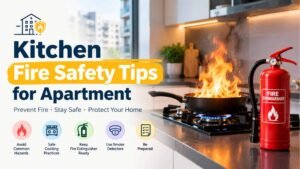
Cooking fires are one of the most common causes of apartment fire accidents. Renters should never leave cooking unattended, especially while frying or using high heat.
Simple habits like turning pot handles inward, cleaning grease buildup, and avoiding distracted cooking can greatly reduce kitchen fire risks.
A small cooking mistake can quickly affect multiple apartments in the building.
Using Electrical Devices Safely
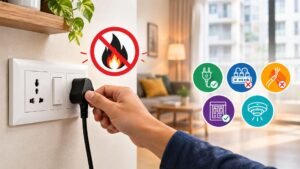
Modern apartments contain several electronic devices, chargers, and appliances. Renters should avoid overloading outlets or using damaged electrical cords.
Safe electrical habits include:
- Using quality surge protectors
- Replacing damaged chargers
- Avoiding extension cord overuse
- Unplugging unused devices
If renters notice sparks or burning smells, they should report the issue immediately instead of ignoring it.
Testing Smoke Alarms Regularly
Although landlords usually install smoke detectors, renters should still test them every month to ensure they work properly.
Tenants should also:
- Replace batteries if needed
- Report faulty alarms quickly
- Never disable smoke detectors
Working smoke alarms provide critical early warning during apartment fires.
Keeping the Apartment Clutter-Free
Excess clutter increases fire hazards and blocks escape routes during emergencies.
Renters should avoid:
- Blocking doors
- Storing flammable materials carelessly
- Crowding electrical outlets
- Filling hallways with storage items
A clean and organized apartment improves both safety and evacuation speed.
Reporting Fire Hazards Immediately
Many apartment fires can be prevented if problems are reported early.
Renters should immediately inform property management about:
- Faulty wiring
- Broken smoke alarms
- Gas leaks
- Damaged fire extinguishers
- Blocked exits
Quick reporting helps landlords fix hazards before they become dangerous emergencies.
Conclusion-
Apartment fire safety works best when both landlords and renters take responsibility seriously. Landlords must maintain safe buildings, functioning fire protection systems, and emergency exits, while renters should follow safe daily habits and report hazards quickly.
Neither side can prevent fires alone.
When both landlords and tenants work together, apartment buildings become much safer for everyone. Simple actions like maintaining smoke alarms, practicing electrical safety, and following fire prevention rules can protect lives, property, and entire communities from devastating fire accidents.